Before Everything Changed
I didn’t mark the day on a calendar.
At the time, I didn’t know it would matter. The test was just a routine smear—something you do and forget about. A necessary, slightly awkward box to tick in the maintenance of being a woman. I remember thinking more about what I’d eat for lunch afterward—maybe that salad place I liked—than about the appointment itself. The sensation was familiar: the cold speculum, the brief cramp, the clinical rustle of paper. Then it was over, and I was back in my car, the moment already dissolving into the mundane flow of a Wednesday.
When the call came a week later, I was in the middle of drafting an email. The doctor’s voice was calm, almost detached, a practiced neutrality meant to cushion the blow. “Your results are back, and you’ve tested positive for a high-risk strain of HPV. Your Pap showed ASC-US—atypical cells of undetermined significance.”
I didn’t cry. I didn’t panic. I didn’t even feel sick.
I just felt… profoundly confused.
How could something be wrong when my body felt exactly the same? There was no fever, no fatigue, no rash, no warning signal. The problem existed only in the abstract world of a lab report, a string of letters and numbers that had suddenly decided to define a part of me. The disconnect was dizzying.
“It’s very common,” the voice continued. “Most immune systems clear it on their own within two years. We’ll just watch it. Come back in six months for a repeat co-test.”
Six months.
That number followed me home. It hung in the air of my apartment. It sat with me at dinner. Six months of what? Six months of waiting for my body to maybe, possibly, do something it evidently hadn’t managed to do yet? The medical term was “watchful waiting.” To me, in that moment, it felt like “powerless hoping.”
The Time Before AHCC: The Months That Don’t Count
If I’m honest, the first part of this journey—the months between that first positive result and the day I finally took action—wasn’t productive at all. It doesn’t belong in the triumphant “6-Month Protocol” timeline. It was emotional. Noisy. Disorganized.
I didn’t do anything wrong by the standard medical playbook—but I didn’t do anything right for my immune system either.
I waited. But it wasn’t a peaceful wait. It was a low-grade, humming anxiety. I Googled. God, did I Google. I fell down forum rabbit holes at 2 a.m., the blue light of my phone illuminating a face creased with worry. I read stories that contradicted each other so violently I felt intellectually whiplashed. One woman cleared it in three months with green smoothies; another had battled the same strain for a decade. Some narratives were spiked with anger, others dipped in hopelessness, a few were oddly, impressively calm.
The medical consensus was clear: no treatment exists for the virus itself. Doctors didn’t push action because, from a clinical perspective, they didn’t need to. But emotionally, I felt abandoned by the vacuum of “just wait.” Waiting felt passive. Passive felt like surrender. My anxiety, with nowhere else to go, turned inward, becoming a quiet, constant stressor that was probably doing more harm than the virus itself.
During this time, my life looked normal, but my internal environment was a mess:
-
Nutrition: I didn’t change my diet. Coffee and a bagel for breakfast, a rushed sandwich for lunch, takeout for dinner. Fuel, not nourishment.
-
Movement: My gym card gathered dust. My most consistent exercise was walking from my desk to the kitchen.
-
Habits: I still smoked socially on weekends, telling myself a few cigarettes couldn’t possibly matter.
-
Stress: I lived with a constant, low-level tension—about work, about this, about everything. My shoulders were permanently hunched near my ears.
-
Sleep: It was fragmented, light, and never quite restorative.
I told myself I was “fine.” But my body was always braced, subtly fighting battles on multiple fronts. Looking back, this period matters not because progress was impossible, but because I had unknowingly created conditions that made progress unlikely. My immune system was like a talented employee working in a chaotic, resource-starved office. This phase didn’t count toward healing. It was just… biological time passing, while the viral clock kept ticking.
The Turning Point: Learning What “Clearance” Really Means
The shift didn’t come in a dramatic epiphany. It came from a slow, grinding frustration that finally pushed me to ask a better question.
I stopped asking, “How do I get rid of HPV?”—a question that led to dead ends and magic-bullet scams.
I started asking, “How does the human body actually clear a persistent viral infection?”—a question that led to biology.
The answer was simple, profound, and changed everything:
HPV doesn’t disappear because you attack it directly. It clears when your own immune system finally recognizes it and mounts an effective, targeted response.
No antibiotic kills it. No pill evicts it. No standard medical procedure scrubs it from your cells. The heavy lifting is done by your innate immune patrols—most notably, Natural Killer (NK) cells and cytotoxic T-cells—that identify and eliminate virus-infected cells.
That was the insight that reframed my entire journey. The goal wasn’t to find an external virus-killer. The goal was to optimize the internal environment and resources of the immune system so it could do its job effectively.
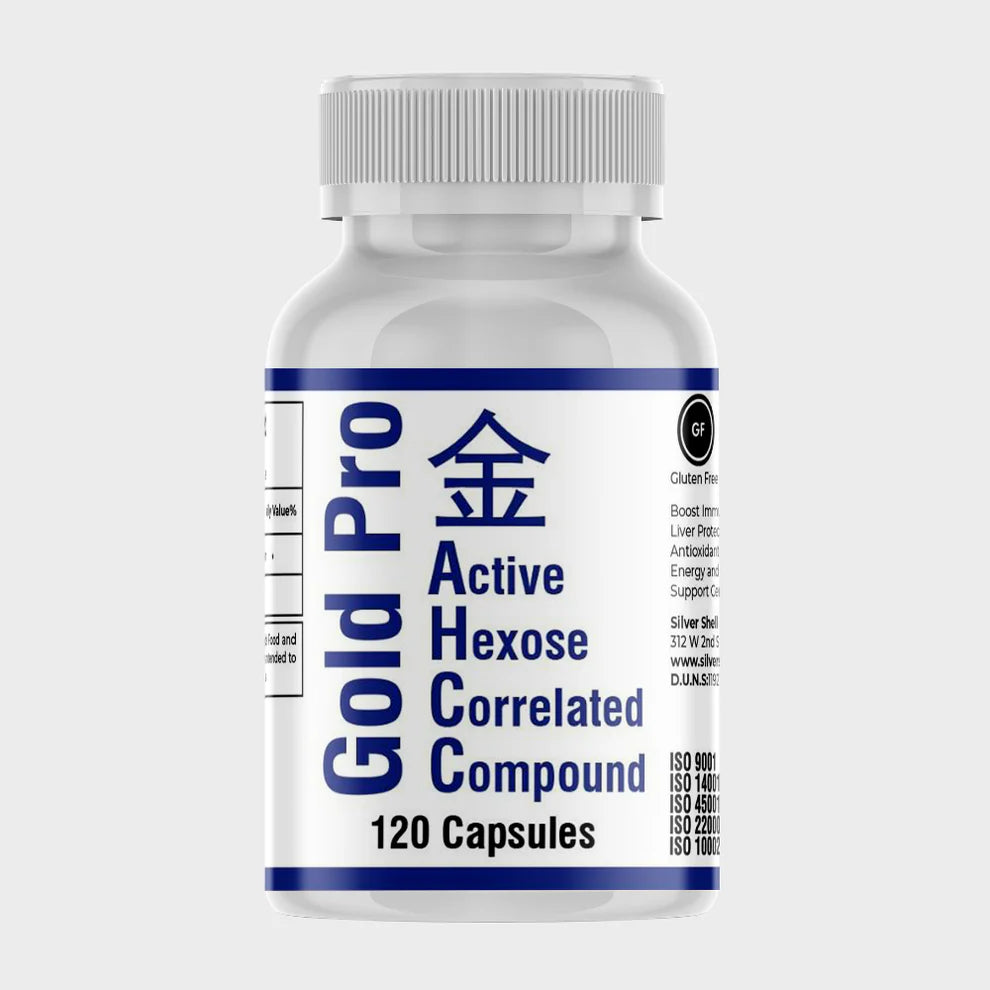
That’s also when I first deeply encountered AHCC (Active Hexose Correlated Compound). Not through flashy ads, but through research papers and scientific explanations discussing immune modulation—the fine-tuning of immune response. Studies showed it could increase the number and activity of those very NK cells. It wasn’t presented as a “cure,” but as a potential catalyst, shifting the odds in favor of the immune system.
What stood out wasn’t hype. It was time.
Every credible source, every clinical trial protocol, talked in terms of 3 to 6 months of consistent use. This wasn’t a weekend fix; it was a sustained campaign. That timeline, rather than daunting me, felt honest. It matched the biological reality of immune reprogramming.
So, on a quiet Sunday, I made a contract with myself. I would commit to a single, structured protocol for six months—fully, properly, without shortcuts or side quests. I would stop being a passive patient and become an active participant.
That was Day 1. That’s when the clock truly started.
Month 1: Discipline Before Hope
The first official month didn’t feel hopeful or transformative. It felt strict. It was about building a fortress of routine, brick by boring brick.
My non-negotiable cornerstone was the AHCC protocol:
-
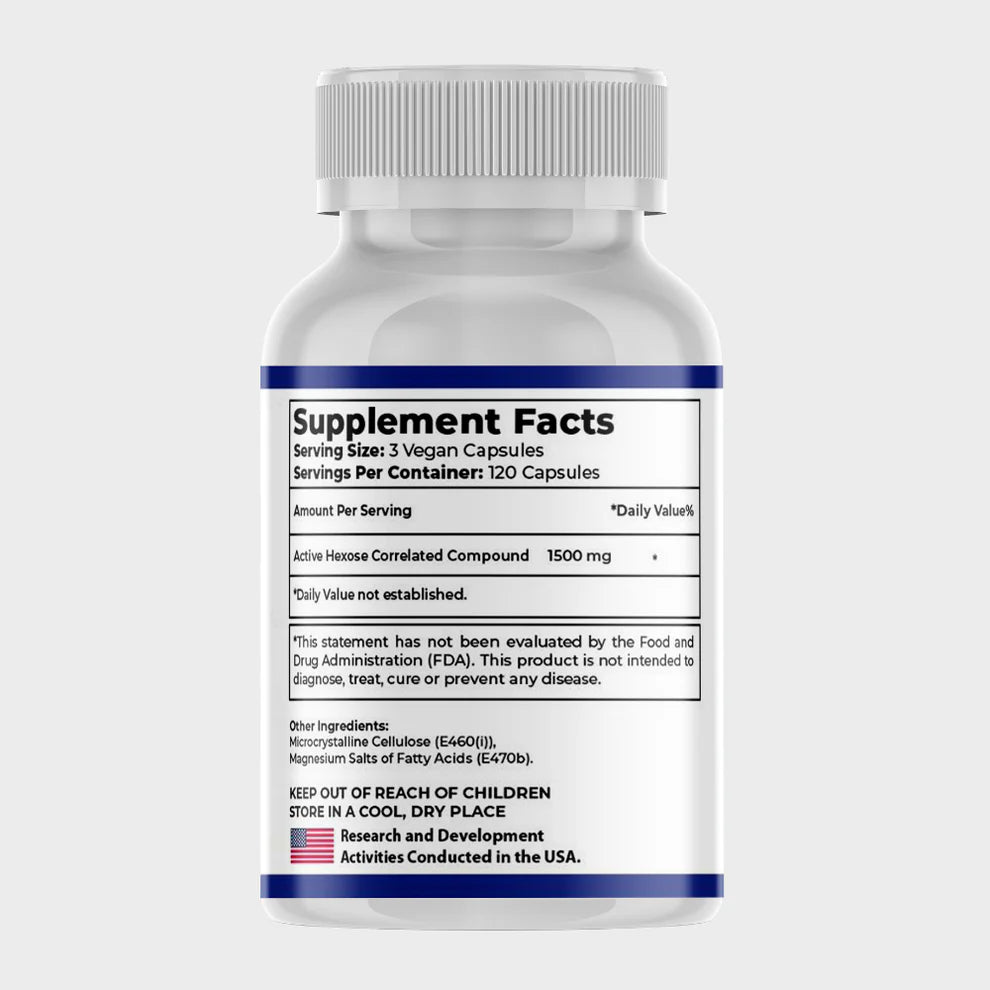
Dose: 3 grams (4 capsules) daily (the dose used in key studies).
-
Timing: First thing in the morning, on an empty stomach and no food for at least one hour
-
Mindset: No exceptions. No “I’ll do it later.” The empty-stomach rule was sacred, ensuring maximum absorption.
I didn’t feel anything. No surge of energy, no tingling sense of wellness. Physically, it was a non-event. But psychologically, it was monumental. The simple act of performing this deliberate, health-affirming ritual twice a day was a powerful antidote to helplessness. I was doing something measurable, something rooted in science.
Alongside this, I made my first lifestyle shift—not a drastic overhaul, but an intentional cleaning of the slate.
-
The Edit: I didn’t go on a “diet.” I started a subtraction diet. I removed the obvious burdens: fast food, processed snacks, sugary drinks, and the second glass of wine that never added anything but empty calories.
-
The Addition: I didn’t force-feed myself things I hated. I simply made sure one colorful vegetable found its way onto my lunch and dinner plate. Spinach in my eggs. Bell peppers and broccoli on the side.
By the end of Month 1, the chaos of the “Time Before” had settled into a structured rhythm. Hope was still a distant glimmer, but discipline had become its own form of peace.
Month 2: The Silence of the Immune System
Month two was the real test. The novelty had worn off, and the hard reality of silence set in.
I was doing everything “right,” and my body was giving me zero feedback. No signs. No intuitive feeling that I was “winning.” The virus was invisible, and now the process fighting it felt equally invisible. This is where doubt grows loud and persuasive.
Is this doing anything?
Would my body have cleared it anyway?
Am I just wasting time and money?
Instead of panicking and adding six new supplements (a temptation I felt deeply), I added one clear, physical element: consistent, gentle movement. I started walking. Not running, not high-intensity training—just walking. 30 minutes a day, most days. In the park, on a treadmill, around the neighborhood. No performance metrics, just motion. The goal was circulation, lymphatic flow, and stress reduction—not punishment.
My nutrition became more intentional:
-
Sugar: I became aware of its pervasive presence. I cut out hidden sugars in sauces, yogurts, and bread.
-
Processed Foods: I started reading labels. If the ingredient list was a chemistry experiment, it stayed on the shelf.
-
Alcohol: I reduced it to a rare social event, recognizing it as a direct immune suppressant and liver burden.
I learned the most critical lesson of the journey this month: The immune system works in silence. It doesn’t send progress reports. It doesn’t give you a tingling sensation when NK cells are proliferating. It does its work deep in the marrow and lymph nodes, a clandestine operation that only reveals its success at the very end. Month two taught me to trust the process, not the feeling.
Month 3: Brutal Honesty – Facing the Saboteurs
By Month 3, the routine was solid. But a looming, unaddressed truth was undermining it all: I was still smoking.
I had masterfully minimized it. “It’s just social.” “It’s only a few a week.” “It’s my only vice.” But the research is unequivocal: the chemicals in cigarette smoke are immune suppressants. They paralyze the cilia in the respiratory tract (the first line of defense), reduce antibody response, and deplete antioxidants like vitamin C.
I couldn’t, in good faith, ask my body to perform the intricate task of clearing a persistent virus while I deliberately delivered a known toxin that crippled its defenses. The cognitive dissonance was stifling.
So, I quit. Not with a heroic, single declaration, but intentionally and imperfectly. I used the established routine as my anchor. I leaned on the walks for stress relief. I stocked healthy snacks for the oral fixation. The first two weeks were brutal—irritable, emotional, restless. My body was complaining about the absence of a poison it had grown accustomed to.
But then, unexpected benefits emerged:
-
My morning walk became easier; my breathing was deeper.
-
The subtle, chronic cough I’d accepted as normal vanished.
-
My sleep quality improved dramatically.
-
Most importantly, the mental fog lifted. I felt aligned. I was no longer fighting against myself.
This month, the anxiety itself began to morph. It didn’t vanish, but it loosened its grip. I stopped the obsessive nightly forum searches. I stopped counting down the days with dread. The protocol had become my normal. Healing no longer felt like an active battle; it felt like a stable, new state of being.
Month 4: The Conversation – Choosing a Shared Path
Month four was less about my body and more about my heart, and the necessary, terrifying conversation I could no longer postpone.
I had talked to my partner about my diagnosis in general terms before, during the “noisy” phase. But now, armed with a clear plan and a calmer mind, we needed to talk about us. The unspoken question hung in the air: What does this mean for our physical relationship?
One evening, after the dinner dishes were cleared, I took a deep breath. “I want to talk about the HPV, and what I’m doing about it. And what we should do.”
I laid it all out—the AHCC protocol, the science of immune clearance, the 6-month timeline. I showed him the research on transmission and protection. I was honest about my hope and my fear.
Then I said the hardest, most vulnerable part: “I think… for my own peace of mind, and to take the pressure off us both, I’d like to press pause on sex until I test negative. I know it’s a long time. I know it’s a big ask. But this is important to me—to feel like I’m giving my body the cleanest possible shot at this without any anxiety about transmission.”
The silence felt eternal. Then, he took my hand.
“Okay,” he said. “It’s your body. Your journey. If that’s what you need to feel focused and calm, then that’s what we do. We press pause. We’re a team, remember? We’ll find other ways to be close.”
The relief was a physical wave. It wasn’t a rejection; it was the deepest form of respect. We were choosing a shared boundary, not being forced apart by fear.
That conversation didn’t create distance; it forged a new kind of intimacy. Without the pressure of sex, we rediscovered touch that wasn’t a prelude. Long hugs that were just about comfort. Holding hands on the couch. Back rubs after a long day. We talked more. We laughed more. We became partners in a project of patience.
The virus was no longer a silent third party causing anxiety; it was a managed health goal we were navigating together, with clear, mutual consent. This mutual agreement became a powerful source of strength, eliminating a major source of stress and allowing me to focus completely on my healing.
Month 5: Facing the Test – The Anatomy of a Thought
As the six-month mark approached and the retest loomed, fear tried to make a grand re-entrance. But this time, it was different. It wasn’t the chaotic, sprawling panic of the early days. It was a quiet, focused fear.
The “What If” thoughts came, but I had built structures to hold them. Now, I had an extra support: a partner who was in my corner.
-
What if nothing changed? Then I would have data. I would know this specific approach didn’t work for me, and I would consult my doctor for the next step (like a colposcopy). I was no longer in the dark.
-
What if six months wasn’t enough? The research shows some need longer. I would have the framework—and the unwavering support at home—to continue for another 3 months without starting from zero.
-
What if I still had it? I realized this was the core fear. And my answer came from a solid place: I had shown up for my body with more consistency and respect than ever before in my life. I had a partner who respected my choices. I had removed burdens and provided support. Whatever the result, it would be an honest reflection of my biology, not a punishment for inaction.
This peace wasn’t resignation. It was the earned confidence of having done everything within my control, within a cocoon of support. I had shifted the odds. The outcome was now up to the intricate, mysterious wisdom of my own body.
Month 6: The Result – Not a Ending, but a New Beginning
The morning of the test was surreal. I took my final AHCC dose of the official protocol with a profound sense of ceremony. My partner made me breakfast—after the 60-minute wait, of course. It wasn’t a magic pill; it was the symbolic last stone placed in a path we had walked together, step by step, for 180 days.
The wait for results was calm. The frantic, refreshing-the-portal obsession was gone. When the notification finally appeared, we opened it together.
There it was: “HPV: Negative. Pap: Normal.”
I didn’t scream. I didn’t burst into tears immediately. I sat in utter stillness, leaning into his shoulder, letting the two words wash over me. The relief that followed was slow, deep, and warm—like the first sun on your skin after a long winter. It seeped into places of tension I had forgotten were there.
What surprised me most wasn’t the happiness. It was the overwhelming sense of trust. Trust in my body’s capability. Trust in the power of patience and partnership. Trust in the compound effect of small, daily choices. I had not just cleared a virus; I had rebuilt my relationship with my own health and discovered a deeper level of connection in my relationship.
What This Journey Actually Taught Me: The Principles Beneath the Protocol
Clearing HPV was the specific goal, but the journey taught universal principles I now carry into every aspect of my life:
-
Healing Has Phases. The confused, passive “Time Before” is a common, almost necessary phase of shock and research. Don’t judge yourself for it, but recognize when it’s time to move from processing to action.
-
The Immune System Works in Biological Time, Not Emotional Time. It requires consistency over weeks and months, not frantic intensity over days. You cannot rush a biological process; you can only support it faithfully.
-
You Cannot Supplement Your Way Out of a Toxic Lifestyle. AHCC was the catalyst, but removing immune suppressants (like smoking, excess sugar, chronic stress) was the foundational work. Nutrition and movement are not optional support; they are core infrastructure.
-
Structure Liberates You from Anxiety. The rigid protocol wasn’t a prison; it was a liberation. Every decision about “what to do” was already made, freeing up immense mental energy that was once consumed by worry.
-
Clear Communication Builds Deeper Intimacy. Choosing a shared path—whether that involves protection, pausing, or proceeding—with a partner transforms a source of isolation into a foundation of teamwork and respect.
-
Trust is Built Through Action. I didn’t start by trusting my body. I started by acting as if I trusted it to respond to support. Through consistent action, that “as if” became a deep, earned belief.
AHCC was not a miracle. It was the keystone habit—the disciplined, non-negotiable act around which I rebuilt a healthier ecosystem. It was the starting pistol. The race was run every day in my kitchen, on my walks, in my choices, in difficult conversations, and in my mind.
If You’re at the Beginning: A Letter to My Former Self
If you’re reading this, newly diagnosed and with that familiar knot of fear in your stomach, please hear this:
You are not late. You are not broken. You are not being punished. You are facing a common biological challenge that your immune system is evolutionarily designed to handle.
But don’t confuse “watchful waiting” with active healing. Healing begins the moment you decide to become an ally to your immune system, not a bystander.
Start with structure. Choose one evidence-based pillar to build upon—whether it’s a supplement protocol, a nutritional change, or a daily walk—and commit to it with gentle ruthlessness. Your goal is not to wage war on your body, but to create a state of immune readiness within it.
Have the conversations you need to have, from a place of fact, not fear. Your needs and boundaries are valid.
The journey from positive to negative may look, from the outside, like a sudden change on a lab report. But you will know the truth. You will know it was built in the quiet, consistent, unglamorous work of a hundred ordinary days. And when your result finally changes, you will feel more than relief. You will feel the quiet, unshakable strength of someone who has learned how to truly show up for themselves, and for the people they love.
Sarah Waterston, Austin, Texas