
Oral HPV is one of the most misunderstood viral infections today. Most people know HPV as something that affects the cervix or genital area, but far fewer realize it can also infect the mouth, throat, tonsils, and the back of the tongue. This type is called oral HPV.
The majority of oral HPV infections clear naturally, but high-risk strains can stay longer than expected. When the body has difficulty clearing the virus, it becomes more important to understand how oral HPV works and what you can do to support your immune system.
This guide gives you a complete, detailed, easy-to-understand explanation of oral HPV, based on current research and practical real-world experience.
What Is Oral HPV
Oral HPV is an infection caused by the human papillomavirus in the mouth or throat. HPV has more than 200 known strains. Most are low-risk and harmless. A smaller group, known as high-risk HPV strains, have the ability to cause cellular changes if they remain in the body for a long time.
The most important high-risk strain connected to oral HPV is HPV-16. This strain has been studied extensively and is strongly linked to oropharyngeal cancers if it persists for many years.
This does not mean that most people with HPV-16 will develop cancer. It means that long-term infection should not be ignored and deserves proper immune support.
How Common Is Oral HPV
Oral HPV is more common than most people think. Research shows:
-
Around 7 percent of adults have oral HPV at any given time.
-
Around 1 percent carry a high-risk oral HPV strain.
-
Men are more likely to carry oral HPV than women.
-
Oral HPV is more common after age 25.
-
Very few people know they have it because it rarely causes symptoms.
The infection often goes unnoticed because the mouth and throat can hide HPV very effectively.
How Oral HPV Spreads
HPV is extremely easy to spread through direct contact. Oral HPV specifically spreads through:
1. Oral sex
This is the most common route of transmission. HPV can spread from genitals to the mouth or from the mouth to the genitals.
2. Deep kissing
HPV can pass through saliva exchange and skin-to-skin contact.
3. Skin contact around the mouth
Even without visible warts, the virus can still be present on the skin.
4. Sharing items
Less common, but possible when sharing:
-
Lipsticks or lip balms
-
Cigarettes
-
Vaporizers
-
Utensils (rare)
It is important to note that you cannot get HPV from casual contact, hugging, or touching surfaces.
Why Oral HPV Often Goes Unnoticed
Most viral infections cause obvious symptoms. HPV does not. This is why it can remain hidden for months or even years.
Oral HPV typically does not cause pain or visible warts. In fact, many people only find out they had oral HPV after their body has already cleared it.
When symptoms do appear, they are usually mild and easy to ignore.
Common Symptoms of Oral HPV
Most people with oral HPV feel nothing unusual. When symptoms do occur, they may include:
-
A sore throat that lasts longer than expected
-
A hoarse voice that does not return to normal
-
A lump or swelling in the neck
-
Pain when swallowing
-
Red or white patches inside the mouth
-
A small growth or lesion
-
Ear pain without infection
-
Feeling like something is stuck in the throat
These symptoms do not automatically mean HPV. They only suggest that you should be checked if they are persistent.
High-Risk Oral HPV Strains
Some HPV strains cause common warts. Others remain harmless. But high-risk strains have the ability to cause changes in the cells they infect.
High-risk oral HPV strains include:
-
HPV-16
-
HPV-18
-
HPV-31
-
HPV-33
HPV-16 is responsible for most high-risk oral infections. Most cases still clear naturally, but HPV-16 is more persistent and needs stronger immune activity to eliminate.
Can Oral HPV Cause Throat Cancer
High-risk oral HPV can lead to oropharyngeal cancer, especially involving the tonsils or the base of the tongue.
Important facts:
-
Oral HPV does not cause cancer quickly. It takes many years of persistence.
-
Most high-risk infections clear within 18 to 24 months.
-
Clearance drastically reduces your future risk.
-
Strong immune function is the key factor in preventing persistence.
When HPV is cleared, the cancer risk from that infection returns to normal.
How Long Does Oral HPV Last
Oral HPV does not last the same amount of time in everyone.
Typical timelines:
-
Low-risk HPV: 6 to 12 months
-
High-risk HPV: 12 to 24 months
-
Persistent HPV: longer than 24 months
-
Faster clearance if the immune system is strong
-
Longer persistence if the immune system is weak
Lifestyle choices, smoking, stress, sleep, and nutrition all directly influence how long the virus stays.
Who Is More Likely to Have Persistent Oral HPV
The people most likely to have difficulty clearing oral HPV include:
-
Smokers
-
Those who drink alcohol frequently
-
People with vitamin D deficiency
-
People with poor sleep
-
Individuals under chronic stress
-
Those with weakened immunity
-
People with multiple HPV strains
-
Men more than women
-
Individuals with high-risk strains, especially HPV-16
If you fall into more than one of these categories, supporting your immune system becomes even more important.
How Oral HPV Is Diagnosed
There is no universal screening test for oral HPV, but several diagnostic methods exist.
1. Throat swab PCR test
This test detects the presence of HPV DNA.
2. Visual examination
A doctor looks for lesions or abnormal tissue.
3. Biopsy
If an unusual area is found, a small sample may be examined.
4. Blood tests
These cannot diagnose HPV directly, but they can show immune response markers.
Most people are diagnosed only if they have symptoms that need evaluation.
How To Help Your Body Clear Oral HPV Faster
There is no medication that kills HPV directly. Clearance happens when your immune system identifies the virus and eliminates it.
This is why supporting your immunity is the most effective approach.
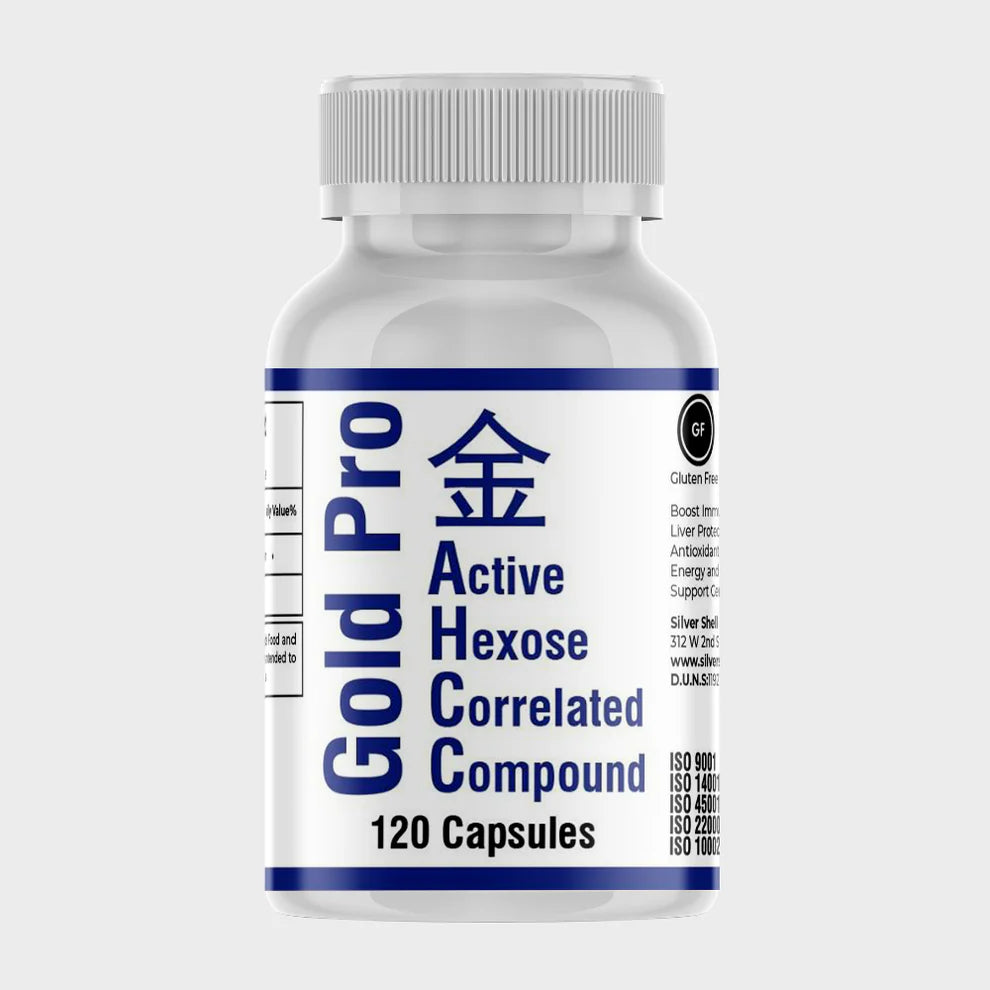
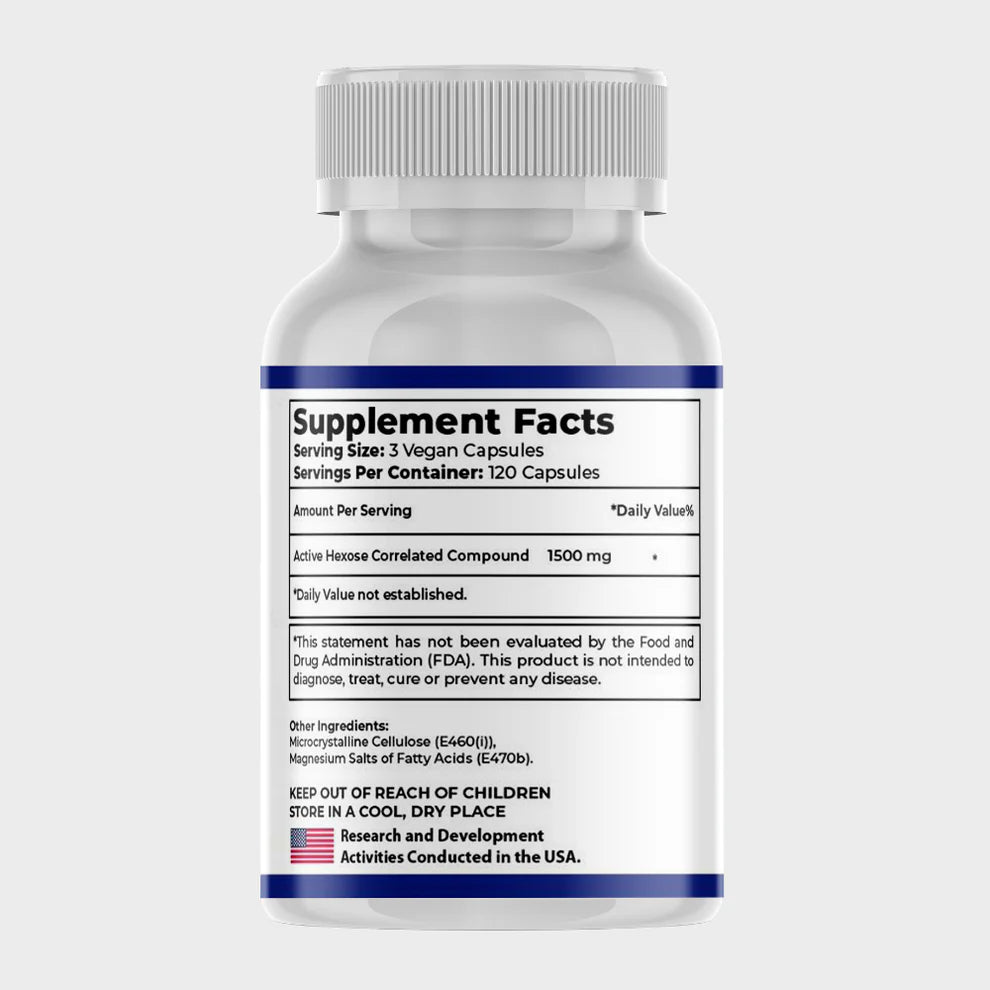
1. AHCC (Active Hexose Correlated Compound)
AHCC is the most researched natural compound for persistent HPV.
Studies from the University of Texas MD Anderson Cancer Center show that AHCC can:
-
Activate natural killer cells
-
Boost T cell activity
-
Support the immune system’s ability to recognize HPV
-
Reduce HPV viral load
-
Support clearance of high-risk strains
Most clinical usage is 3 grams daily on an empty stomach.
Real-world results:
-
4 to 6 months for one high-risk strain
-
6 to 8 months for multiple strains
2. Quit Smoking
Smoking damages the throat and lowers local immunity. Smokers have higher oral HPV persistence rates.
3. Reduce Alcohol Intake
Alcohol can weaken the lining of the throat and reduce the body’s ability to fight HPV.
4. Optimize Vitamin D
Vitamin D is essential for immune system function. Low vitamin D levels are linked to HPV persistence.
5. Improve Sleep Quality
Sleep is when the immune system repairs itself. Poor sleep means slower viral clearance.
6. Reduce Stress
Chronic stress weakens immune cells. Relaxation techniques help your immune system function better.
7. Support Gut Health
Seventy percent of the immune system is in the gut. Probiotics and fiber-rich foods can help.
8. Exercise Regularly
Moderate exercise boosts immune response and speeds recovery.
Is Oral HPV Contagious
Yes, oral HPV is contagious, but mainly through intimate contact.
To reduce transmission:
-
Avoid sharing toothbrushes
-
Avoid oral contact during visible symptoms
-
Use protection for oral sex
-
Maintain good oral hygiene
-
Take steps to clear HPV naturally
Once HPV is gone, transmission risk is gone as well.
Does the HPV Vaccine Help With Oral HPV
Yes. The HPV vaccine protects against the most dangerous high-risk strains, including HPV-16 and HPV-18.
Benefits include:
-
Reduced chance of new high-risk infections
-
Lower risk of oropharyngeal cancers
-
Protection for future partners
-
Additional immune support against reinfection
The vaccine does not clear an existing infection but prevents new ones.
When You Should See a Doctor
Medical evaluation is recommended if you have:
-
A sore throat that lasts longer than two weeks
-
A lump in the neck
-
A persistent change in your voice
-
Painful swallowing
-
A mouth sore that does not heal
-
Unusual red or white patches
These symptoms do not automatically mean HPV, but they do deserve attention.
Living With Oral HPV
Oral HPV does not have to control your life. With proper information, healthy habits, and immune support, most people clear the virus and return to normal.
Key reminders:
-
Oral HPV is common
-
Most infections clear naturally
-
Persistence is the main issue
-
Your immune system is the key to clearing the virus
-
AHCC is one of the few supplements with real clinical research behind it
-
Healthy lifestyle choices play a big role
You are not alone, and you are not powerless. You can help your body clear the virus.
Final Thoughts
Oral HPV is common, usually silent, and often harmless. But high-risk strains deserve proper attention. Supporting your immune system is the most effective step you can take.
By understanding how oral HPV works and by taking research-supported actions like AHCC supplementation, healthier lifestyle habits, and regular medical checkups, you give your body the best chance to eliminate the virus naturally.