
The Two HPV Types You Should Never Ignore and Why Being Careful Can Save Your Life
When people talk about HPV, it is often described as “common,” “harmless,” or “something the body clears on its own.” While that may be true for many HPV types, HPV 16 and HPV 18 do not belong in that category.
These two strains are responsible for the majority of HPV-related cancers worldwide. They are aggressive, persistent, and often silent. Understanding them fully is not just educational. It is protective.
If you or someone close to you has tested positive for HPV 16 or HPV 18, this information is critical.
What Is HPV? A Virus Most People Underestimate
Human Papillomavirus (HPV) is not a single virus. It is a large family of more than 200 related viruses, each behaving differently inside the body.
HPV types are broadly classified into:
Low-Risk HPV Types
-
Usually cause skin or genital warts
-
Do not cause cancer
-
Often visible and easier to detect
High-Risk HPV Types
-
Infect mucosal tissue
-
Can interfere with normal cell regulation
-
May cause precancerous changes and cancer over time
Among all high-risk types, HPV 16 and HPV 18 are the most dangerous and most studied.
Why HPV 16 and HPV 18 Are in a Category of Their Own
They Are Responsible for Most HPV-Related Cancers
Decades of global research have shown that HPV 16 and HPV 18 together cause:
-
Around 70 percent of cervical cancer cases worldwide
-
A significant portion of:
-
Anal cancer
-
Penile cancer
-
Vaginal and vulvar cancers
-
Oropharyngeal (throat) cancers
-
HPV 16 alone is the single most carcinogenic HPV type ever identified.
This is why doctors pay special attention when these types appear in test results.
What Makes HPV 16 and HPV 18 More Dangerous Than Other HPV Types?
1. They Are Exceptionally Persistent
Most HPV infections clear naturally within 6 to 24 months.
HPV 16 and HPV 18 behave differently.
They are:
-
More resistant to immune clearance
-
More likely to remain active for years
-
More likely to cause long-term cellular stress
Persistence is not just inconvenient.
Persistence is what allows cancer to develop.
2. They Can Remain Completely Silent
One of the most dangerous aspects of HPV 16 and 18 is that they rarely cause symptoms.
No pain
No itching
No visible signs
Many people feel perfectly healthy while cellular changes quietly progress.
This silence is why HPV-related cancers are often discovered late, when treatment becomes more complex.
3. They Disrupt Normal Cell Control
HPV 16 and 18 produce viral proteins that interfere with the body’s natural tumor-suppressing mechanisms.
Over time, this can cause:
-
Abnormal cell replication
-
DNA instability
-
Precancerous lesions
-
Invasive cancer if left unchecked
This process is slow, but it is not random.
It follows a biological pathway that begins with persistent infection.
Who Is at Risk for HPV 16 and HPV 18?
The uncomfortable truth is this:
Anyone who has ever been sexually active can be exposed to HPV 16 or 18.
Risk increases with:
-
Unprotected sexual contact
-
Multiple partners over a lifetime
-
Early sexual activity
-
Smoking
-
Chronic stress
-
Poor sleep
-
Nutrient deficiencies
-
A weakened immune system
HPV does not care about relationship status, age, or lifestyle reputation.
HPV 16 and HPV 18 in Women: What Makes Them Especially Dangerous
In women, HPV 16 and 18 are closely linked to:
-
Cervical dysplasia
-
Abnormal Pap smear results
-
Cervical cancer
-
Vaginal and vulvar cancers
Cervical cancer usually develops slowly, but only if the virus remains active.
This is why:
-
Regular Pap tests
-
HPV DNA testing
-
Timely follow-ups
are absolutely essential for early detection and prevention.
HPV 16 and HPV 18 in Men: The Overlooked Risk
Men are often silent carriers, which creates two problems:
-
They may unknowingly transmit the virus
-
They may develop cancer without early warning signs
HPV 16 and 18 in men are linked to:
-
Penile cancer
-
Anal cancer
-
Throat and oral cancers
Unlike women, men are rarely screened for HPV, which makes awareness and immune health even more important.
Why “Wait and See” Can Be a Dangerous Strategy
Doctors often recommend monitoring HPV infections because many clear on their own.
However, HPV 16 and 18 require closer attention.
Waiting without action may allow:
-
Viral persistence
-
Accumulating cellular damage
-
Progression from infection to precancer
Waiting is not neutral.
It is a decision that carries risk.
The Immune System Is the Key Player
Here is a crucial fact that surprises many people:
There is no medication that kills HPV directly.
HPV clearance depends entirely on the immune system.
This means outcomes are influenced by:
-
Immune strength
-
Consistency of immune support
-
Lifestyle factors that suppress or enhance immunity
When immunity is strong, HPV can be controlled and cleared.
When it is weak, HPV can persist.
Immune Support and HPV 16 and HPV 18
Medical Monitoring Comes First
-
Regular testing
-
Doctor-guided follow-ups
-
Proper management of abnormal results
These are essential and non-negotiable.
Immune Support Can Make a Difference
Scientific interest has increasingly focused on immune-support compounds for persistent high-risk HPV, especially HPV 16 and 18.
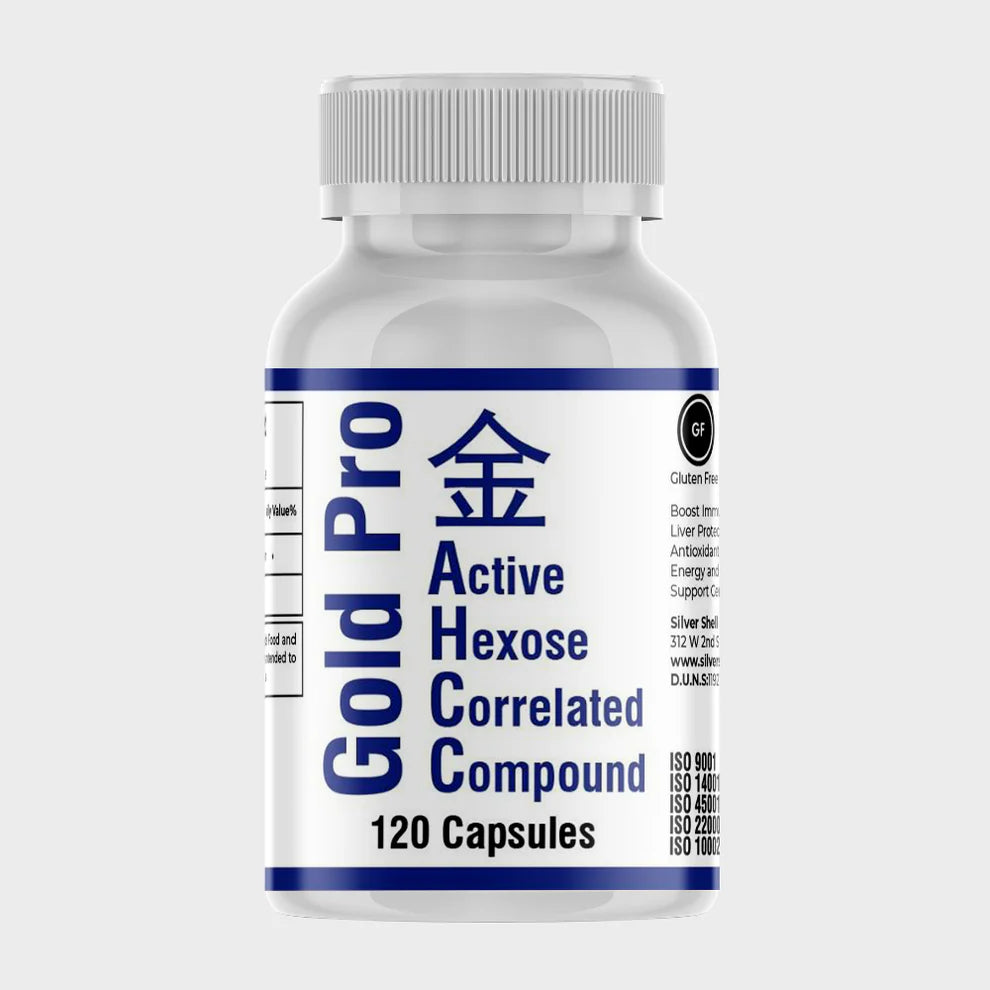
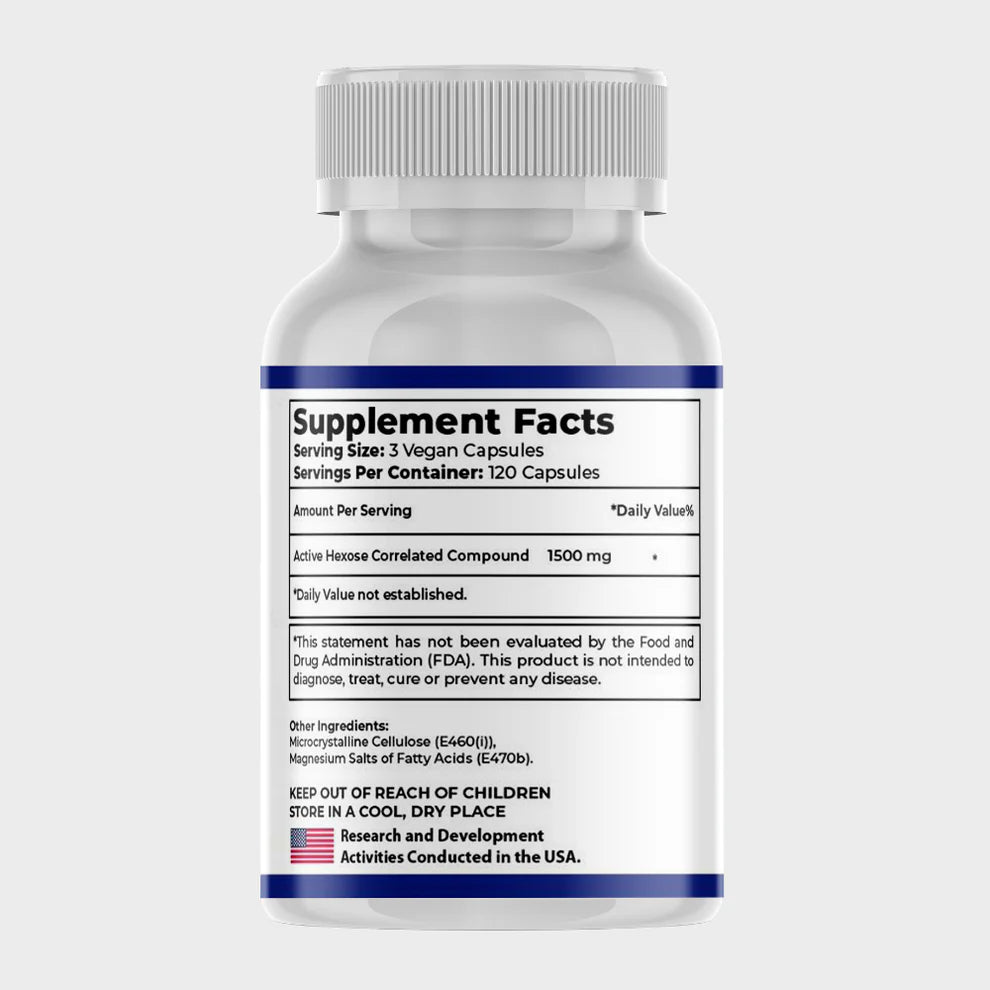
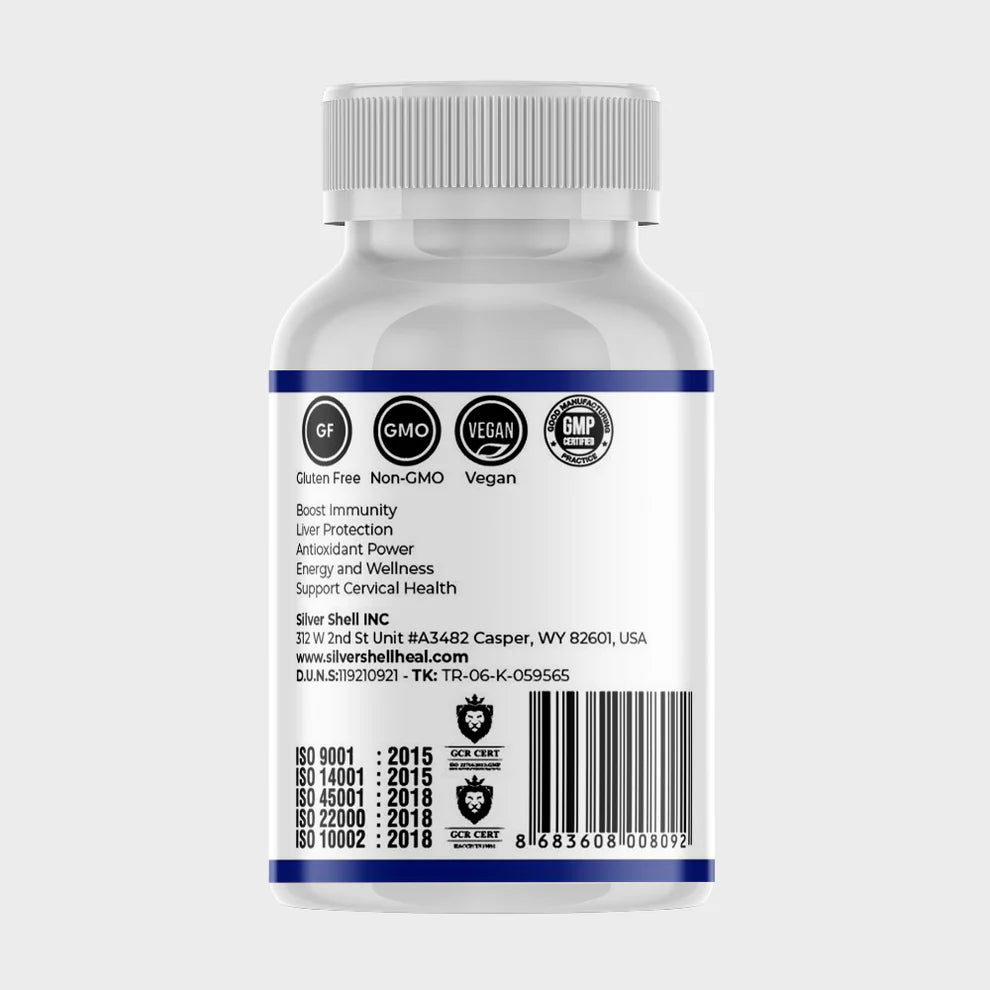
One of the most studied is AHCC (Active Hexose Correlated Compound).
AHCC is a mushroom-derived extract researched for its ability to:
-
Activate natural killer (NK) cells
-
Support T-cell and dendritic cell function
-
Improve immune recognition of persistent viral infections
Clinical studies have used 3 grams daily, taken consistently, often in the morning on an empty stomach.
AHCC is not a drug and not a cure, but it supports the exact system responsible for HPV clearance: the immune system.
Why Early Action Changes Outcomes
The earlier immune support begins:
-
The less time the virus has to persist
-
The lower the risk of cellular progression
-
The greater the chance of natural clearance
Early action can mean:
-
Fewer invasive procedures
-
Reduced anxiety
-
Better long-term health outcomes
HPV 16 and HPV 18 are serious, but they are manageable when addressed properly.
Awareness Is a Form of Protection
HPV 16 and HPV 18 matter because they are:
-
Common
-
Silent
-
Persistent
-
Strongly linked to cancer
Ignoring them does not make them disappear.
Knowledge, monitoring, and immune support give your body the best chance to respond effectively.
If you have tested positive, take it seriously but do not panic.
If you have not been tested, prioritize screening.
If you want to protect your future health, act today.
HPV 16 and HPV 18 demand respect.
Your health deserves informed action.